Home › How we record
How we record
A comparison is only worth something if everything but the strings stays the same. This is what stays the same on WikiStrings.
The guitar and the player
Every set is played on a Santa Cruz D Pre-War dreadnought by Marco Torrisi. He plays the same five phrases with every set, at the same tempo, listening to the reference take to keep the same intention. Human takes are never identical, and we do not pretend they are: that is why the player carries a sync map for each recording (see below).
The chain
A Schoeps MK 4 stereo pair, the same position for every set, the same room, into a MOTU 828 audio interface for preamplification and conversion. No compression, no equalisation, no reverb at any stage.
The gear
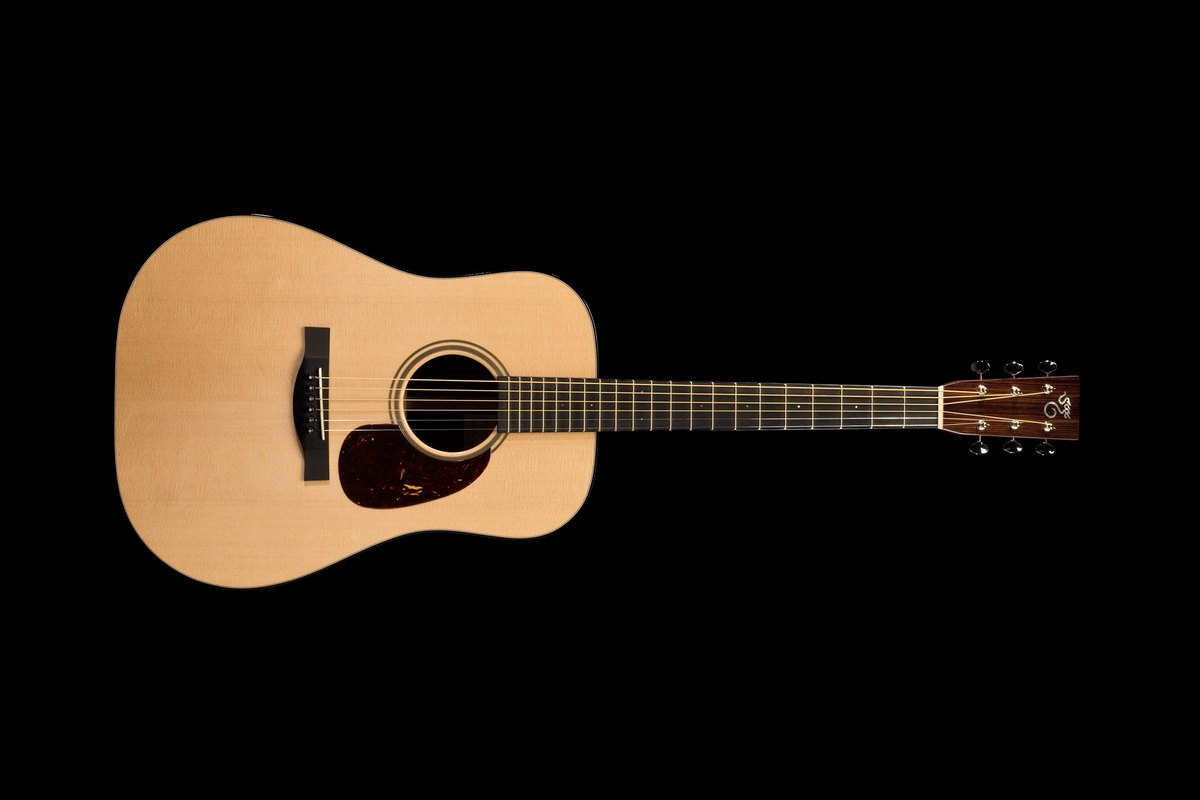 The guitarSanta Cruz D Pre-War
Dreadnought, Sitka spruce top, Indian rosewood back and sides, pre-war X bracing. The same instrument for all sixteen sets, restrung between takes.
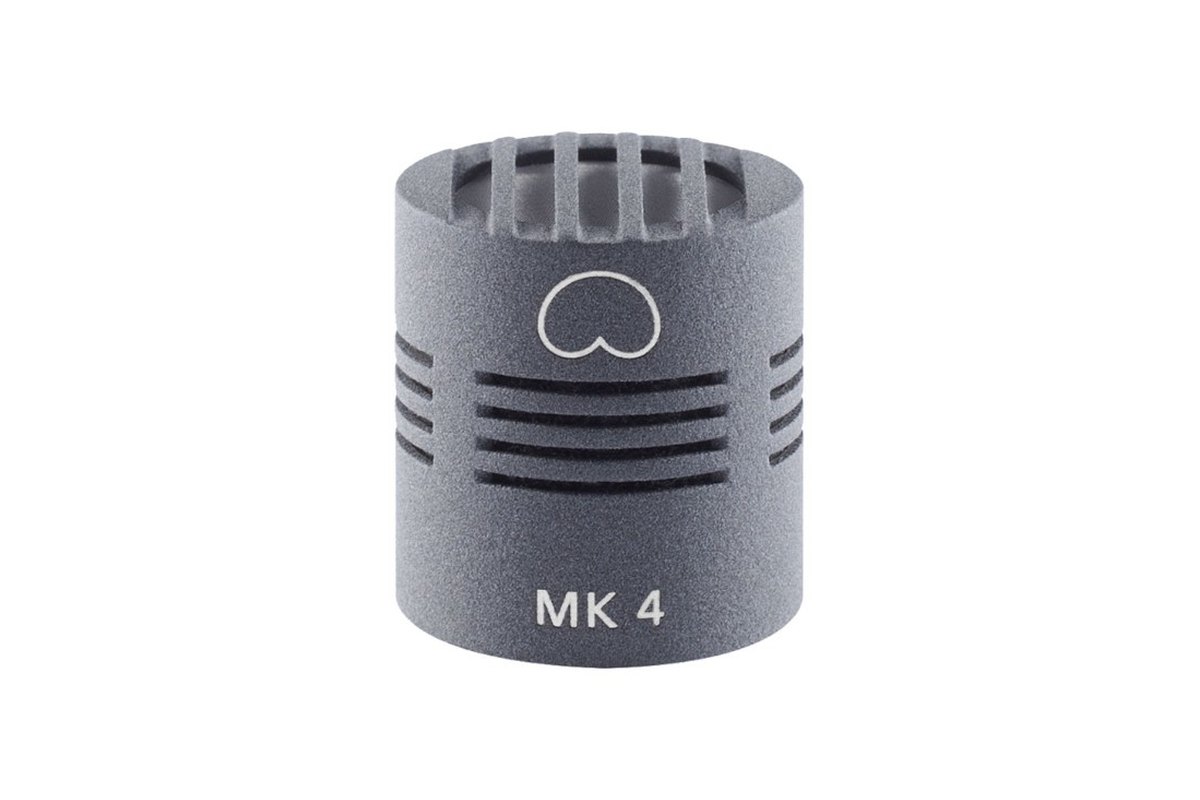 The microphonesSchoeps MK 4 (pair)
A stereo pair of Schoeps cardioid capsules on Colette amplifiers, in the same position for every set.
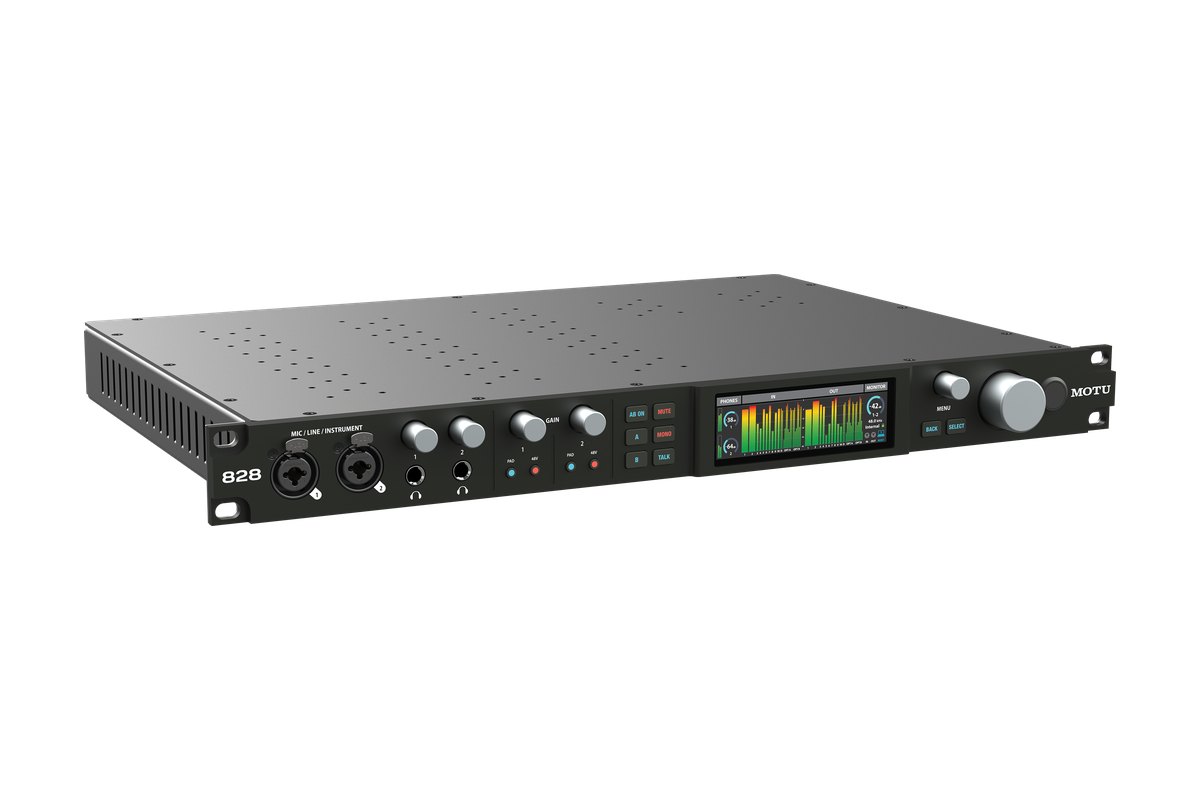 The interfaceMOTU 828
Microphone preamps and analogue-to-digital conversion, at the same gain for every set. WAV 48 kHz / 24-bit masters.


Product photos: Santa Cruz Guitar Company, SCHOEPS, MOTU.
Loudness
Each recording is measured with the ITU-R BS.1770 standard (the "LUFS" meter used in broadcast) and brought to the level of the reference set with a plain gain trim, at most a few dB. The trims live in the data file and are applied by the player; nothing touches the timbre.
Real Time Switch
All recordings of a style are decoded and kept in memory. One master clock says where we are in the phrase; when you switch sets, the new recording starts at that exact point with an 8 ms crossfade, so the phrase never restarts. Because the takes drift by a few tens of milliseconds, each recording carries a small piecewise map (measured by envelope cross-correlation) that converts the master time into its own time.
Blind test
Names and photos are replaced by letters, in random order. Pick a favourite, then reveal. We built it because we found ourselves preferring the brand we expected to prefer.
What we do not do
We do not describe tone. We do not rank sets. We do not accept payment from string makers for placement. The project is funded by Amazon affiliate links on the Get info buttons.